varsha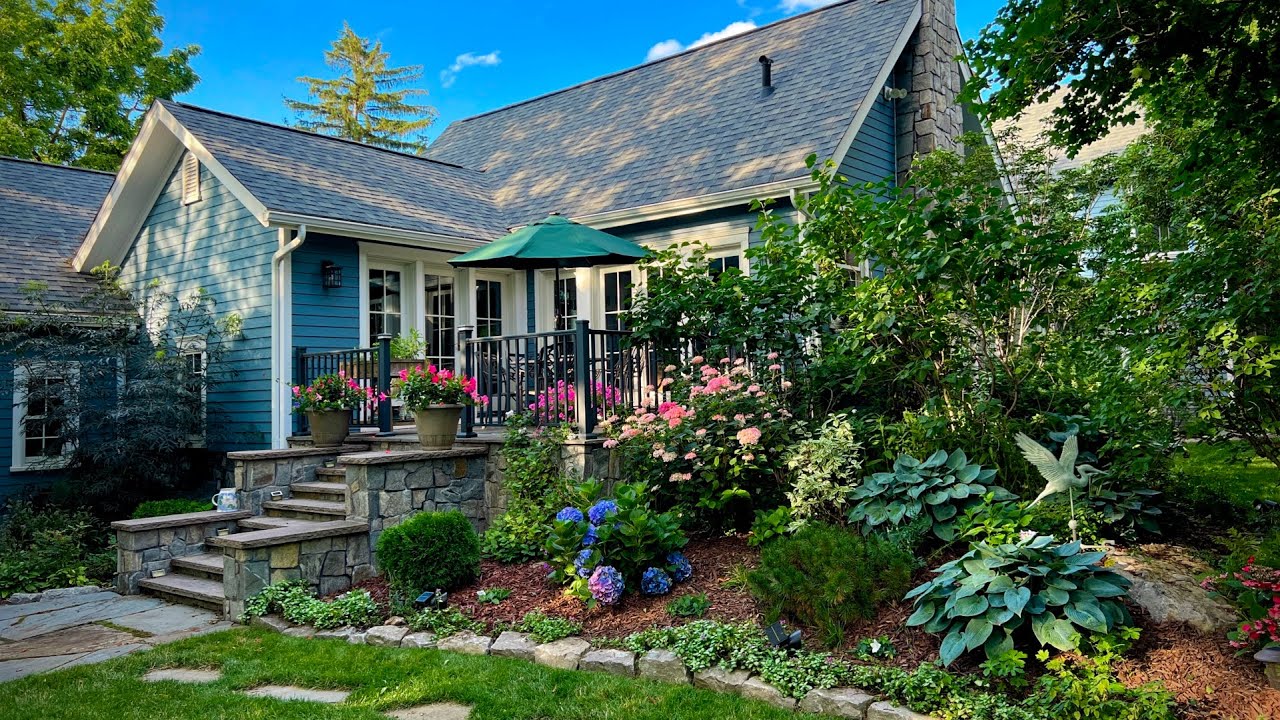
Older homes have a way of telling stories. You see it in the pressed-metal ceilings, uneven floorboards, original brickwork, timber trims and small design choices that belong to another era. But some of the most important stories aren’t visible at all. They sit beneath the house, in the soil, stumps, footings and foundations that quietly carry the whole structure.
For many Australian homeowners, especially those renovating or buying an older property, the question isn’t just what the home looks like today. It’s what it’s actually sitting on. Understanding the reblocking ins and outs can make a major difference to how confidently you plan repairs, renovations and long-term maintenance.
The hidden structure beneath the charm
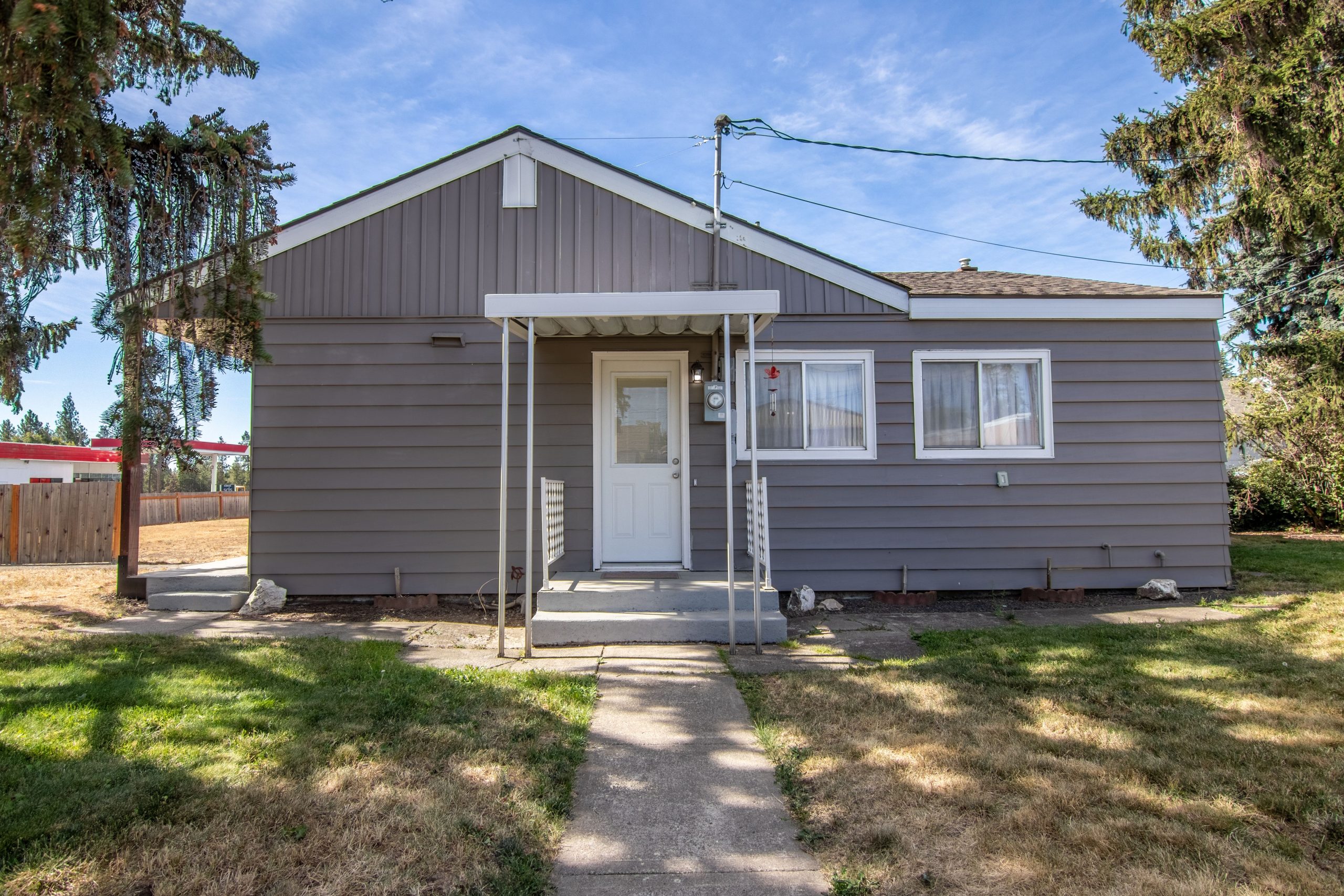
Older homes often carry a sense of character that newer builds try hard to imitate. Yet age brings movement. Timber stumps can rot, concrete stumps can crack, brick piers can shift, and soil can expand or contract over time. None of this necessarily means a home is unsafe, but it does mean the structure deserves proper attention.
What’s beneath a home depends on when it was built, where it was built and the construction methods used at the time. Some homes sit on timber stumps. Others have concrete stumps, brick footings, strip footings or slab foundations. In many cases, a home may have a combination of old and newer supports due to past repairs, extensions or partial upgrades.
That mix can create uneven performance. One section of the house may remain stable while another begins to dip, crack or move. The result can show up inside the home long before the foundation problem is obvious.
Small signs can point to bigger movement
Foundation issues rarely announce themselves dramatically at first. They often begin as small, irritating changes that are easy to dismiss. A door starts sticking in winter. A window won’t close as smoothly as it used to. A hallway seems slightly uneven underfoot. Cracks appear near cornices, skirting boards or around window frames.
These signs don’t always mean major structural trouble, but they shouldn’t be ignored either. Older homes naturally settle over time, yet ongoing or uneven movement can suggest that the supports below are deteriorating or that the ground beneath the house has changed.
Water is often part of the story. Poor drainage, leaking pipes, blocked gutters and pooling stormwater can all affect soil conditions. In reactive clay areas, soil moisture changes can cause expansion and shrinkage that places pressure on footings and stumps. Over years, that movement can shift the home out of level.
Renovations can reveal what time has hidden
Many owners discover foundation problems during renovation planning. A kitchen upgrade, bathroom renovation or extension may begin as a cosmetic project, then reveal deeper structural questions. Once floors are lifted, walls are opened or load paths are altered, the condition of the subfloor suddenly matters more.
This is why older homes benefit from early investigation. Before investing heavily in finishes, cabinetry, tiles or new layouts, it’s worth understanding whether the home is level, supported and structurally sound. There’s little value in installing premium flooring over a subfloor that’s moving, or renovating a bathroom above compromised stumps.
Reblocking, restumping or underpinning can feel like unglamorous work because it doesn’t provide the instant visual impact of a new kitchen or freshly painted façade. Yet it can be the work that protects every other improvement made to the property.
What reblocking actually addresses
Reblocking, often called restumping, involves replacing or repairing the supports beneath a house. In older homes, timber stumps may have weakened due to moisture, termites, decay or age. Concrete stumps can also fail if they’ve cracked, shifted or weren’t installed correctly.
The process usually involves assessing the existing supports, temporarily supporting sections of the home, removing failed stumps and installing new ones. The home may also be relevelled during the process, helping correct uneven floors and misaligned doors or windows.
The right approach depends on the building and site conditions. A small section may need attention, or the whole home may require reblocking. In other cases, underpinning may be more suitable, especially where the issue relates to deeper footing movement rather than stump deterioration.
Soil matters more than most people think
A home’s foundation doesn’t operate in isolation. It interacts constantly with the ground beneath it. This is why two houses of similar age can perform very differently, even if they’re in the same suburb.
Soil type, slope, drainage, vegetation, previous excavation and nearby construction can all influence movement. Large trees close to a home may draw moisture from the soil. Poor stormwater management can soften ground around supports. Past extensions may have been built on different footing systems, causing one part of the home to move differently from another.
For older homes, the land itself is part of the structure. Ignoring it can lead to patchy repairs that treat the symptoms without addressing the cause.
Buying an older home? Look below the surface
When inspecting an older property, it’s natural to focus on layout, light, room sizes and renovation potential. But structural condition should sit high on the checklist. Uneven floors, visible cracks, musty subfloor areas, dampness, bouncy flooring and gaps around doors or skirtings can all warrant further assessment.
A standard building inspection may identify warning signs, but more specialised advice may be needed where movement, stump failure or footing issues are suspected. This is especially important if you’re planning major renovations after purchase. A house that seems like a straightforward cosmetic project may need foundational work before anything else begins.
That doesn’t mean older homes should be avoided. Far from it. Many are beautifully built and highly adaptable. The key is knowing what you’re dealing with before committing to a renovation budget or timeline.
Strong foundations protect good design
The appeal of an older home often lies in its visible details, but its future depends on what supports it. Reblocking, drainage improvements, subfloor repairs and structural assessments may not be the most exciting parts of homeownership, yet they’re often the difference between a renovation that lasts and one that keeps fighting old problems.
Before polishing boards, restoring period features or opening up living spaces, it pays to ask a simple question: what is this home really sitting on? The answer can shape every decision that follows.