varsha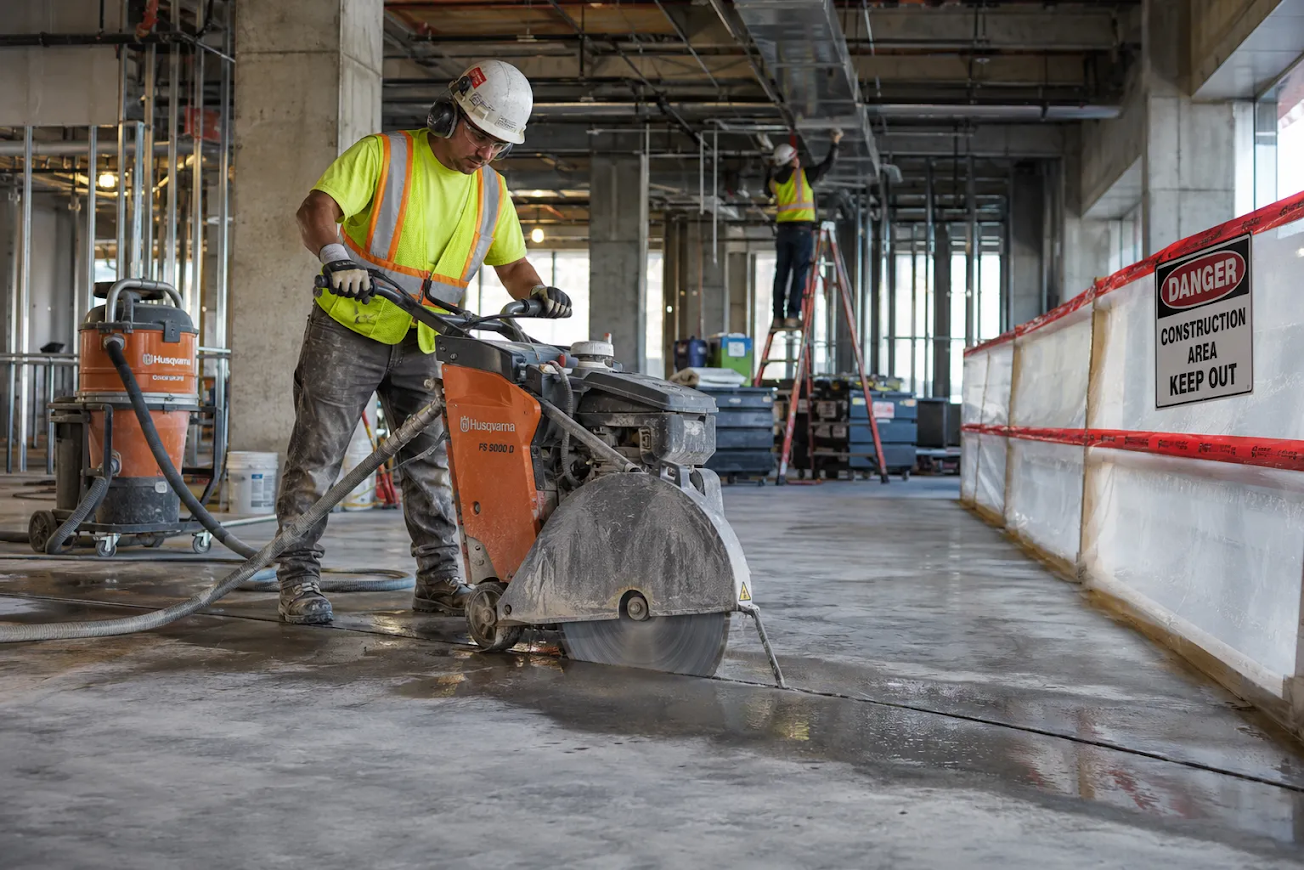
Commercial construction continues to evolve as owners invest in building modernization, adaptive reuse, and infrastructure upgrades. Rather than replacing existing structures, many organizations are extending the life of commercial properties through strategic renovations and system improvements. These projects demand careful coordination among contractors, engineers, architects, and project managers to keep work on schedule while minimizing disruption.
One area that has become increasingly important is commercial concrete cutting. Precision cutting methods allow construction teams to modify existing concrete safely and accurately without unnecessary demolition, making them an essential part of today’s commercial projects.
How Commercial Construction Is Changing
Many commercial buildings are being updated to accommodate new technologies, improved accessibility, changing tenant needs, and more efficient building systems. Mechanical upgrades, electrical installations, plumbing modifications, and structural improvements often require precise openings through existing concrete floors and walls.
Unlike new construction, renovation planning must account for existing structural elements, occupied spaces, and ongoing business operations. Every modification has the potential to affect other trades working on the project. As a result, contractor coordination has become a critical factor in maintaining project efficiency.
Specialized cutting techniques help construction teams make accurate structural modifications while reducing unnecessary damage to surrounding materials. This precision supports smoother project execution and helps maintain overall construction quality.
The Growing Demand for Precision During Renovation Projects
Commercial renovations frequently involve altering concrete structures that were not originally designed for modern building systems. New HVAC equipment, electrical conduits, plumbing lines, elevators, accessibility improvements, and communication infrastructure often require carefully planned penetrations through reinforced concrete.
Traditional demolition methods may create excessive vibration, dust, or unintended damage. Precision concrete sawing and other controlled cutting methods provide cleaner results that better protect adjacent structural components.
Modern diamond cutting technology also allows contractors to complete complex work with greater accuracy. This is particularly valuable in occupied commercial buildings where controlling noise, dust, and disruption remains an important project objective.
Because renovation projects often involve multiple subcontractors working simultaneously, precision concrete cutting helps maintain schedules by ensuring required openings are completed accurately the first time.
How Concrete Cutting Supports Modern Building Upgrades
Today’s building upgrades rely on several specialized techniques depending on project requirements.
Concrete sawing is commonly used to create straight, controlled cuts in floors, walls, and slabs for expansion joints, access openings, and structural modifications.
Concrete core drilling creates clean circular openings for mechanical, plumbing, electrical, and fire protection systems. These precise openings simplify installation while helping maintain the integrity of surrounding concrete.
Structural concrete cutting is often required when creating new doorways, enlarging existing openings, modifying stairwells, or preparing spaces for elevators and other major building improvements.
Each of these methods supports better construction planning by allowing trades to work from accurately prepared openings rather than making adjustments in the field. The result is improved workflow, fewer delays, and more predictable project outcomes.
Benefits of Specialized Concrete Cutting Contractors
Commercial projects benefit from experienced contractors who understand both cutting techniques and the broader construction process. Precision work requires careful planning, specialized equipment, and an understanding of structural considerations before any cutting begins.
Experienced concrete cutting services can help identify the safest approach for each project while coordinating closely with engineers, general contractors, and other trades. This collaboration reduces the likelihood of scheduling conflicts and supports safer working conditions throughout the project.
For commercial renovations in London and Southern Ontario, companies such as Complete Cutting & Coring provide professional concrete cutting services in London as one example of the specialized expertise often required for commercial and industrial construction projects.
Planning Concrete Cutting Early in the Construction Process
Successful commercial projects begin with detailed planning. Including concrete cutting requirements during the early stages of construction planning helps project teams coordinate schedules, equipment access, sequencing, and safety procedures before work begins.
Early planning also allows engineers and contractors to review structural drawings, confirm cutting locations, and identify potential conflicts with existing building systems. This proactive approach reduces unexpected delays and minimizes costly changes during construction.
As commercial buildings continue to evolve, precision concrete cutting will remain an important part of efficient project delivery. Accurate cutting methods support building modernization, improve coordination among trades, and help contractors complete complex renovation work with greater confidence. By incorporating specialized cutting techniques into project planning, commercial construction teams can achieve safer, more efficient, and higher-quality outcomes.