varsha
From a broad perspective civil contractor projects are fundamentally linked to the sphere of civil engineering in almost every aspect, as a matter of fact the spectrum of civil construction can be said to be an extension of civil engineering more than it is a branch of the construction industry. This is mainly because the field demands extensive coordination and meticulous planning among diverse specialists, including architects and various types of engineers.
The branch which is often termed or referred to “civil construction” could be said to be a subsidiary of civil engineering as most civil projects revolve around infrastructure, and public convenience and safety which require a comprehensive, macro-level approach managed by all types of engineers. That being said, one must realise that the scope of the civil engineering spectrum is vast and generally goes beyond erecting buildings and basic infrastructure.
Civil construction firms that operate within the sphere of civil construction also manage our surroundings (the environment), which includes maintaining natural water reservoirs that serve as habitats for plants and animals, implementing landslide prevention measures on hillsides, managing irrigation systems, regulating river water flow and also the entire waste water management system of entire cities, just to name a few.
In short, the world of civil engineering manages and sustains all elements that humans interact with, natural or artificial. Due to the scope of civil engineering any civil construction firm bidding on civil projects from governments or even private home owners must be able to demonstrate a high degree of expertise not just in building, but also in critical areas like legal regulations, public impact assessment, environmental impact studies, and erosion control among others. This means that at times even environmental scientists and geologists are involved in projects that come under the civil construction hood.
Peering into the world of civil engineers, we will find that they are responsible for the entire scope of a given civil project that begins with the design, moving to the coordination of the construction phase, and after building phase is completed, they are assigned to the long-term maintenance of the project’s outcome. In other words, civil engineers oversee every single element from all perspectives within the civil sphere that starts with the initiation of a project to its completion and subsequent upkeep.
For example, once a railway station is built and the tracks laid, civil engineers are tasked with maintaining the system. Similarly, in water management projects, they ensure that treatment plants continue to function optimally after construction.
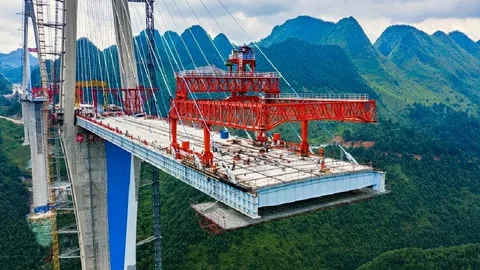
The construction and management of essential public utilities which include hydroelectric dams, sewerage systems, and power stations and the likes also falls directly under the purview of civil engineering firms.
Hence, it would not be wrong to say that the world that we live in and the conveniences that we take for granted on a daily basis are owed to the work and effort of the civil construction sector. In short, the world is the way it is due to the civil construction sector.